Suspect Nursing Home Abuse? Where to Report It First
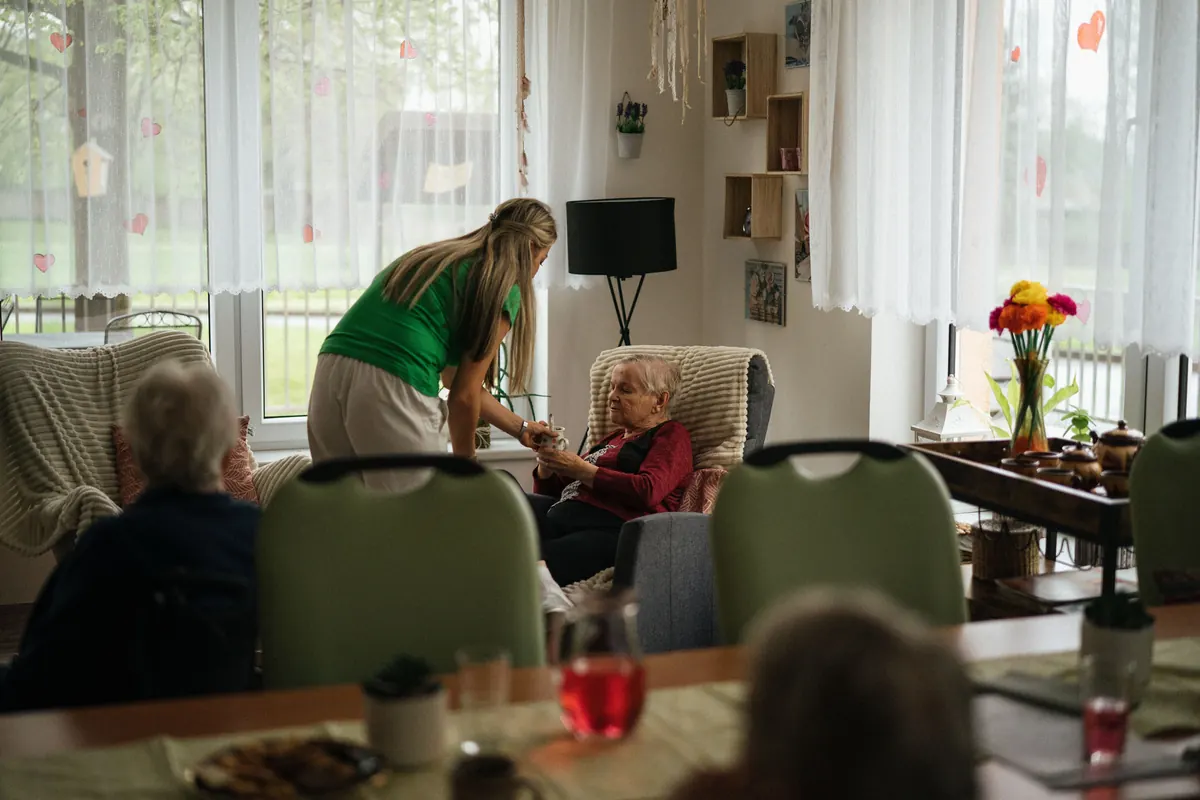
If you found a bruise you cannot explain, or your parent went quiet when a staff member entered the room, trust what you saw and act on it today. Learning how to report nursing home abuse starts with one choice: match the report to the urgency, then put it in writing so it can be followed up.
This page is general information, not legal advice. It describes reporting channels, not the outcome of any single complaint.
Sources: ACL.gov Long-Term Care Ombudsman program; CMS nursing home complaint procedures; state survey agency directories; accessed October 2026.
If someone is in danger right now
Call 911 when your parent is hurt, threatened, or unsafe at this moment. Do not wait for business hours, and do not wait for a call back from the facility. Police can enter, separate people, and create a record that other agencies can use later.
Raise a concern with the facility only after immediate danger has passed. A complaint to the administrator is useful for a cold room, a missed meal, or a scheduling problem. It is not the right first step for an injury, a threat, or a sexual assault. When the situation is urgent, call 911 first, then file the agency reports described below so the event is recorded in more than one place.
The reporting channels
Each channel does a different job, and families often need more than one. The ombudsman advocates for the resident. The state survey agency inspects and enforces licensing rules. Adult Protective Services investigates harm to vulnerable adults. Law enforcement handles crimes. Filing with the channel that fits the problem gets the report to people who can act on it.
| Channel | What it does | When to use it | How to reach it |
|---|---|---|---|
| Long-Term Care Ombudsman | Free resident advocates who investigate complaints and mediate with the facility | Care problems, rights concerns, and help after a complaint | Use the ACL.gov Long-Term Care Ombudsman finder to find the program for your parent's state |
| State survey agency | Inspects nursing homes and enforces licensing rules | Violations of care standards and unsafe conditions | Contact the state agency that licenses nursing homes in your parent's state |
| Adult Protective Services | Investigates abuse, neglect, and exploitation of vulnerable adults | Suspected abuse or neglect of a resident who cannot protect themselves | Contact Adult Protective Services in your parent's state |
| Law enforcement | Responds to crimes and immediate danger | Injury, threats, assault, theft, or any emergency | Call 911 |
Do not assume one report reaches every agency. A report to the facility alone does not create a state record, and a report to one agency does not automatically alert the others. File with each channel that fits, keep the confirmation from each one, and note the date you filed.
What counts as abuse
Abuse is not only hitting. Physical abuse includes hitting, pushing, rough handling, and misuse of restraints. Neglect means a failure to provide food, water, hygiene, medication, or supervision that a resident needs. Emotional abuse includes threats, shouting, isolation, and humiliation. Sexual abuse includes any unwanted sexual contact. Financial exploitation includes taking money, using bank cards, or pressuring a resident to change financial documents.
Watch for signs that do not match the explanation given. Unexplained bruises, weight loss, dehydration, dirty bedding, missed medication, sudden fear around certain staff, and missing money are all reasons to ask questions and to report. You do not need proof before you report. A concern backed by dates and observations is enough to file, and the agencies decide what to investigate. If you are unsure whether something counts, report it and let the agency make that call.
What to document before and after you report
Good records turn a worry into a complaint an agency can follow. Write down the date and time of each event, the names of staff and residents involved, and exactly what you saw or heard. Photograph visible injuries with the date noted, and keep medical records, medication lists, and care plan notes that relate to the event. Save messages, call logs, and any written response from the facility.
After you report, keep a copy of every complaint you file and every reply you receive. This record is what makes how to report nursing home abuse a practical process rather than a single phone call. Note the name of each person you spoke with, the agency, and the date. If an agency gives you a reference number, write it on the same page as your notes so nothing is lost. Bring this file to every later conversation, because a dated paper trail is what lets a new reviewer see the pattern at a glance.
What happens after you file
What happens next varies by state and agency, and no page can promise a result or a date. An ombudsman may visit, speak with your parent, and work with the facility on a fix. A state survey agency may inspect, review records, and require the facility to correct problems it finds. Adult Protective Services may interview your parent and others involved. Law enforcement may open a separate criminal case.
Ask each agency, at the time you file, what its next step is, how it will contact you, and what information it needs from you. If you hear nothing, call back and ask for the status of your report by its reference number. A follow-up call is not pushy. It keeps the report active and creates another dated record that the case is still open.
Retaliation: your parent's protections
Federal and state rules bar a facility from punishing a resident for complaining. A facility cannot threaten, isolate, or discharge your parent because you filed a report or spoke with the ombudsman. If staff warn that your parent will lose their room, or care suddenly worsens after a complaint, treat that as a new event to document and report.
Put the threat in writing the same day: who said it, when, and the exact words used. That paper trail also supports how to report nursing home abuse a second time if retaliation follows the first complaint. Then contact the ombudsman and the state survey agency and tell them a complaint was followed by a threat. Keep any discharge notice you receive, do not sign it under pressure, and ask the ombudsman to review it with you before any deadline on the notice passes.
Frequently asked questions
Can I report nursing home abuse anonymously?
Many agencies accept a report without your name, and the ombudsman program can discuss your parent's situation before you decide how to proceed. An anonymous report is harder to follow up, because the agency cannot call you for details or tell you the outcome. Give at least a contact method for follow-up questions if you can, even if you ask that your name not be shared with the facility.
Should I hire a lawyer before I report abuse?
No. Reporting comes first, and no agency requires a lawyer before it accepts a complaint. File the reports, keep your records, and then speak with an elder law attorney if your parent was seriously harmed, if money was taken, or if the facility is pushing a discharge. Bring your dated notes and copies of every complaint to that first conversation.
How do I check a facility's complaint history before I report?
Use the Medicare Care Compare nursing home ratings to see inspection results and quality measures for the facility, and ask the state survey agency for the facility's recent survey reports and deficiency findings. Read the findings for the specific problem you saw, not only the overall rating, and bring any matching past finding to your report as context.
What if the facility threatens to discharge my parent for complaining?
A discharge notice must be in writing, and it must state a reason and an appeal process. Do not accept a verbal order to leave, and do not sign a discharge agreement on the spot. Send a copy of the notice to the ombudsman the day you receive it, ask what appeal deadline applies in your parent's state, and file the appeal in writing before that deadline.
Your next step is to file the report that fits the urgency, starting with 911 if anyone is unsafe now, then the ombudsman and the state survey agency. Keep copies of everything you file, and read Medicare nursing home ratings to check the facility's inspection record and elder law attorney cost if the harm or a discharge threat needs a lawyer.